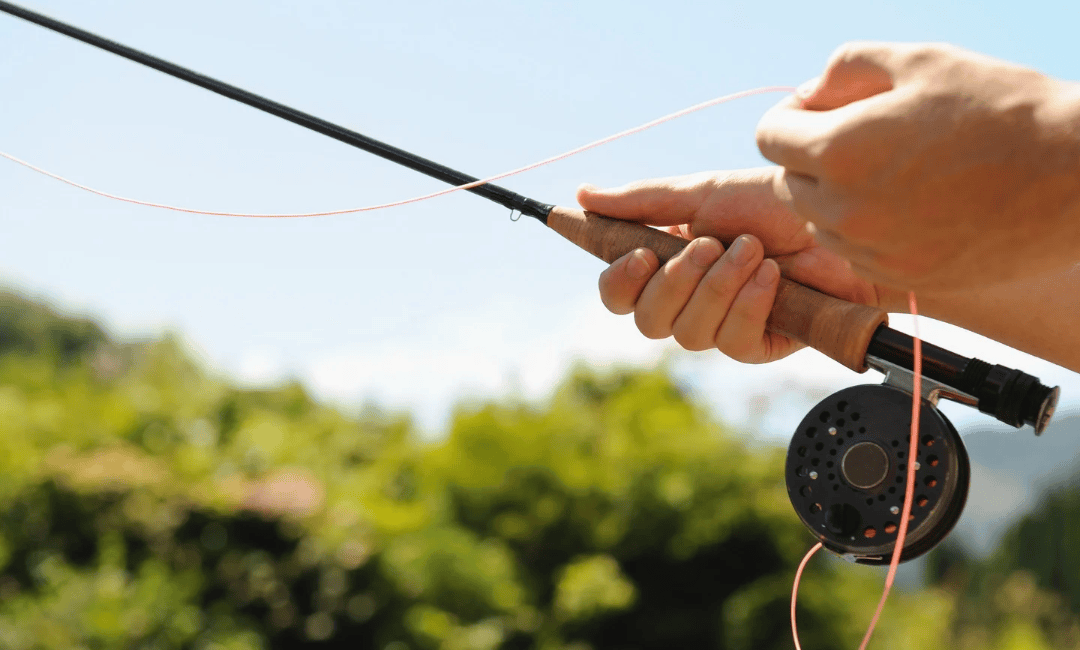
Cooler mornings are finally arriving in Southwest Florida, and with them comes one of the best times of year to cast a line. Anglers are lining up along piers, bridges, seawalls, and canal banks across Collier County. Seasonal neighbors are also returning to their favorite fishing spots. It’s a wonderful part of life on the Paradise Coast.
But there’s one thing that can turn a great day of fishing into a deadly hazard for wildlife: the fishing line that gets left behind.
A Strand That Outlasts Generations
Most anglers use monofilament, a single strand of nylon line that is strong, clear, and nearly invisible underwater. Those same qualities make it dangerous once it’s discarded. Monofilament is the most common type of fishing line, and it isn’t biodegradable. Depending on environmental conditions, it can last up to 600 years.
Think about that for a moment. A tangle of line snipped off and dropped on a dock this weekend could still be in our waters centuries from now. Over all that time, it can wrap around mangrove roots, seagrass, and the wildlife that lives there.
The Wildlife Paying the Price
Florida’s wildlife experts see the damage firsthand. Florida Fish and Wildlife Conservation Commission (FWC) biologists warn that monofilament line and fishing hooks can snag and entangle birds, sea turtles, and manatees, which can lead to injury and even death. FWC researchers also note that clumps of monofilament are the most common foreign object found during manatee necropsies.
Birds are especially at risk. Pelicans, herons, egrets, and ospreys hunt in the same places where people fish. One FWC biologist has noted that it’s not uncommon to find dead pelicans entangled with fishing line and hooks. A bird that gets line wrapped around a wing or leg may not be able to fly, feed, or escape predators.
The harm doesn’t stop with wildlife. Monofilament can also entangle habitats, damage coral reefs, and pose a threat to scuba divers. It can foul boat propellers, too. In Collier County, our canals connect neighborhoods to estuaries like Rookery Bay and eventually to the Gulf. That means a stray piece of line rarely stays where it was dropped.
The Good News: Line Can Be Recycled
This is one of the most solvable litter problems we face. FWC runs the Monofilament Recovery and Recycling Program (MRRP). This statewide program educates the public about the problems caused by fishing line left in the environment, encourages recycling through a network of bins and drop-off locations, and helps citizens host volunteer line cleanup events.
Those tall PVC tubes you may have noticed at boat ramps and fishing piers are part of that network. Once the line is collected and cleaned by volunteers, it is shipped to the Berkley Pure Fishing company in Iowa for recycling. Many tackle shops also serve as convenient drop-off locations.
You can find the nearest bin with the interactive recycling bin map on the MRRP website at mrrp.myfwc.com.
Five Ways to Fish Clean This Season
Pack a line pouch. Bring a small bag or empty container to hold used line, hooks, and tackle until you can dispose of them properly.
Use the tubes. Place monofilament and fluorocarbon line in a recycling bin. Please keep hooks, lures, food, and other trash out of the bins so volunteers can clean and process the line safely.
Handle other line correctly. Braided or wire line can’t be recycled, so cut it into pieces 12 inches or smaller and put it in a covered trash can. Line left in open trash cans can blow out and entangle wildlife.
Retrieve what you can. If your line snags, try to recover as much as possible. Pick up any line you spot on docks, seawalls, or beaches, even if it isn’t yours.
Know who to call. If you see an entangled manatee, sea turtle, or other protected species, don’t try to free it yourself. Report it to the FWC Wildlife Alert Hotline at 888-404-3922, or dial #FWC or *FWC on a cell phone. For an injured bird, contact a local wildlife rehabilitator.
Be the Angler Who Leaves It Better
Fishing is part of who we are in Collier County. It brings families together, welcomes visitors, and connects us to the water. By reeling in our line and recycling it, we can make sure the pelicans, manatees, and sea turtles that share our waters stay safe for generations to come.
The next time you head out, take one extra step before you leave: look around, pick up any line you see, and drop it in the tube. It takes a few seconds, but it can save a life.