This month, Keep Collier Beautiful invites our community to show some real love for the waterways that make Collier County one of the most beautiful places in the world to live, work, and play.
Our Waters Are Interconnected — And Vulnerable
Collier County is woven together by an intricate network of canals, rivers, wetlands, and coastal estuaries that ultimately flow into the Gulf of Mexico. This watershed system is the lifeblood of our ecosystem, supporting sea turtles, manatees, dolphins, wading birds, and countless species of fish. It also underpins our tourism economy and the quality of life that draws people here from across the globe.
What many residents don’t realize is just how directly the health of our waterways depends on what happens on land — even miles from the shoreline.
The Journey of Litter to the Gulf
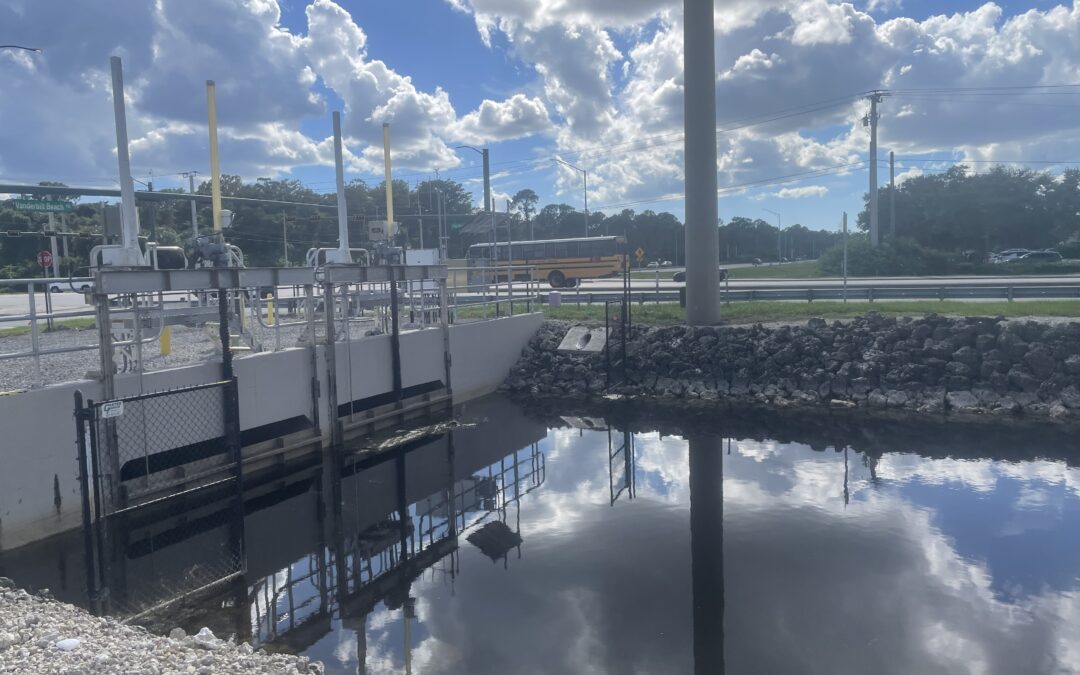
When a plastic bottle is dropped in a parking lot or tossed from a car window, its journey is far from over. During Collier’s dry season, windblown litter migrates toward roadside swales and drainage channels. When the rainy season arrives, stormwater runoff acts as a conveyor belt, carrying that litter through our network of canals and into our estuaries and coastal waters.
Once in the water, plastics break down into microplastics — tiny particles that are ingested by fish, seabirds, and marine mammals. Fishing line entangles wildlife. Plastic bags are mistaken for jellyfish by sea turtles. What starts as a carelessly discarded wrapper can end a life.
The good news? This cycle can be broken — and every resident has the power to interrupt it.
What You Can Do to Make a Difference
Protecting Collier’s waterways doesn’t require a boat or a wetsuit. Some of the most impactful actions happen right in your neighborhood:
Pick it up before the rain does. If you see litter near a storm drain, canal bank, or roadside swale, picking it up prevents it from entering the watershed entirely. One piece of litter removed on land is one less piece in the Gulf.
Dispose of fishing line responsibly. Monofilament fishing line is one of the most dangerous forms of marine debris for wildlife. Look for monofilament recycling tubes at local boat ramps and parks, or drop used line at a designated collection point.
Report litter hotspots. Keep Collier Beautiful works with local partners to address chronic litter areas throughout the county. If you know of a problem spot, report it so cleanup crews can be deployed.
Join a waterway cleanup. Nothing beats hands-on action. KCB regularly organizes waterway and canal cleanup events where volunteers make a visible, measurable impact. Visit keepcollierbeautiful.com to find a cleanup opportunity for you.
Reduce single-use plastics at home. Choosing reusable bags, bottles, and containers means less plastic in circulation — and less chance of it finding its way to our waters.
A Community That Cares
The strength of Collier County’s environmental stewardship lies in its people. Year after year, thousands of volunteers give their time to pick up litter, protect wildlife habitat, and educate their neighbors about the connection between everyday choices and the health of our environment. That collective commitment makes a real difference.
This February, we challenge you to deepen that commitment. Walk your neighborhood with a trash bag. Post a waterfront photo and tag us. Share this article with a friend who loves our local waters as much as you do.
Our canals and estuaries have given so much to this community. This month — and every month — let’s give something back.