

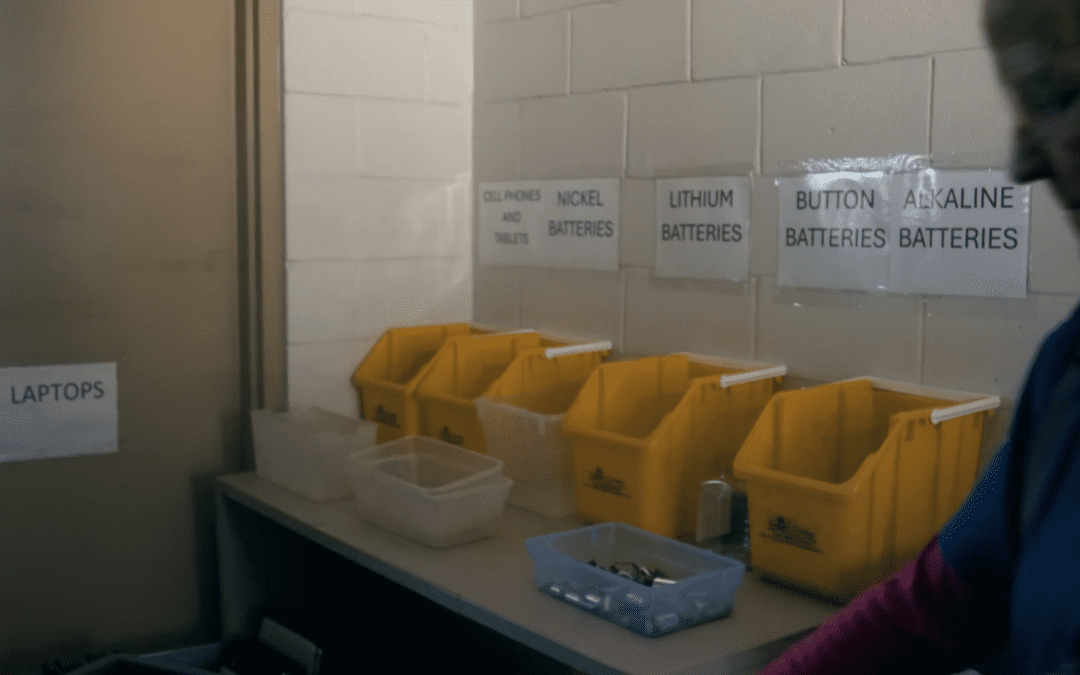
As with cell phones, batteries have evolved to meet consumer demand. Modern high-capacity batteries now allow users to charge or replace batteries less often. However, some batteries, such as lithium batteries, contain significant stored energy, making them potential hazards at home without proper storage and disposal. Improper disposal of batteries can create significant safety and environmental risks.
Collier County has several conveniently located Recycling Drop-Off Centers that accept all types of batteries for environmentally friendly disposal. By disposing of batteries at a Recycling Drop-Off Center, you help reduce the risk of fires from batteries and preserve our paradise.
Hazardous Batteries
Batteries can be hazardous for several reasons, primarily due to the chemicals they contain and the potential for stored energy to cause accidents. Identifying hazardous batteries can be challenging as they often resemble common alkaline AA and AAA batteries. Hazardous batteries include:
- Rechargeable batteries in electronics, equipment, scooters, and bikes.
- Small button-style lithium batteries found in electronics like remotes or watches.
To mitigate these hazards, it is essential to handle batteries with care, store them properly, and dispose of them at designated recycling centers or disposal facilities that can manage their specific risks.
Storing Batteries
Properly storing batteries is crucial to prevent accidents and ensure their longevity. Here are some key tips:
- Cool, Dry Place: Store batteries in a cool, dry place. Extreme temperatures and humidity can damage batteries and reduce their lifespan. Avoid areas with significant temperature fluctuations, such as garages or attics.
- Non-Metallic Container: Use a non-metallic container to store batteries. Metal containers can cause batteries to short-circuit if the terminals come into contact with the metal surface. Plastic containers with individual compartments are ideal.
- Tape the Terminals: Place a piece of tape over the terminals to prevent them from coming into contact with other batteries or metal objects.
Disposing of Batteries
Proper disposal of batteries is essential to prevent environmental contamination and reduce the risk of fires or other hazards. Batteries should never be thrown in the garbage or recycling carts. Instead, consider the following options:
- Retail Take-Back Programs: Stores like Best Buy and Staples often have battery recycling programs.
- Collier County Recycling Drop-Off Centers: These centers accept all types of batteries for free recycling. They are open Monday to Saturday from 8:30 a.m. to 4:30 p.m. Visit collier.gov/dispose to find a location near you.
Drop-Off Center Locations
- Naples: 2640 Corporate Flight Dr.
- North Collier: 9950 Goodlette-Frank Rd. N
- Marco Island: 990 Chalmer Dr.
- Tim Nance: 825 39th Ave. NE
- Hazardous Materials Collection Center: 3728 White Lake Blvd.
By properly storing and disposing of batteries, you can help protect our environment and community from potential hazards.
Items that may contain lithium batteries: laptops, golf carts, chargers, e-bikes, power tools, and toys.
Submitted by KCB Community Partner:
Vanessa Caporale
Collier County Solid and Hazardous Waste Management Division
